
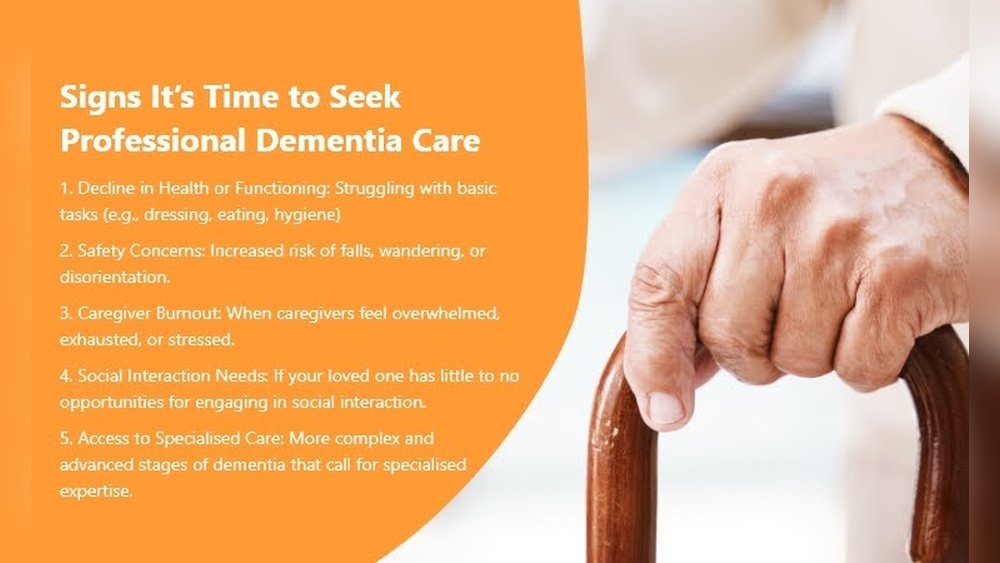
Caring for someone with dementia is a journey filled with many challenges and tough decisions. You might find yourself wondering, “Is it time to seek professional dementia care?” Recognizing the right moment can be confusing and emotional, but it’s crucial for the well-being of your loved one—and for your own peace of mind.
You’ll learn the key signs that indicate when professional help becomes necessary. By understanding these signs, you can make informed choices that keep your loved one safe, comfortable, and supported. Keep reading to discover how to identify these moments and what steps you can take next.
Early Dementia Signs
Recognizing early dementia signs is crucial for timely care and support. These signs often start subtly and may be mistaken for normal aging. Awareness helps families decide when to seek professional dementia care.
Mild Memory Lapses
Early dementia often shows as mild memory lapses. People might forget where they placed items or the names of new acquaintances. These moments happen occasionally but become more frequent over time. Forgetting important dates or appointments can also be an early warning.
Maintaining Independence
During early stages, individuals can still manage daily tasks. They dress, cook, and clean with little help. Independence remains mostly intact. Yet, small difficulties may appear, like trouble planning or organizing. Monitoring these changes helps identify the need for more support.
Notable Personality Shifts
Personality changes can signal early dementia. A once outgoing person may become withdrawn or irritable. Mood swings or confusion might occur without clear cause. Loved ones often notice these shifts first. Recognizing these signs can prompt timely professional evaluation.

Credit: lifespancm.com
Middle Stage Indicators
The middle stage of dementia marks a noticeable shift in a person’s abilities and needs. Memory loss becomes more frequent, and daily tasks are harder to manage alone. Caregivers often face new challenges as safety and behavior issues arise. Recognizing these signs helps decide when professional dementia care is necessary.
Increasing Memory Loss
Memory problems grow beyond simple forgetfulness. The person may forget recent events or important details. Repeating questions or stories becomes common. They might not recall names of close family members. This loss affects their confidence and ability to function.
Assistance With Daily Tasks
Tasks like dressing, grooming, and meal preparation become difficult. The person may struggle to choose appropriate clothes or use utensils. Managing money or medication often requires help. Independence decreases as they rely more on others. Support with daily activities is essential for their well-being.
Safety Concerns And Behavior Changes
Safety risks increase due to confusion and poor judgment. Wandering or getting lost can occur even in familiar places. Some may show mood swings, irritability, or aggression. Hallucinations or delusions might appear. Supervision and a secure environment become critical to protect them.
Advanced Dementia Symptoms
Advanced dementia symptoms signal a critical change in a person’s condition. These symptoms show the disease has progressed significantly. Care needs increase, and safety becomes a major concern. Recognizing these signs helps families decide when to seek professional dementia care.
Severe Memory Decline
Memory loss becomes profound and constant. People forget their own history and close family members. They may not recognize familiar places or objects. This level of memory loss disrupts daily life completely. It often leads to confusion and distress for both the person and their caregivers.
Loss Of Basic Functions
Basic physical functions start to fail. Walking, swallowing, and controlling bladder or bowels become difficult or impossible. Assistance is required for all daily activities like eating and dressing. This decline increases the risk of infections and injuries. Care must be provided around the clock to ensure safety.
Communication Challenges
Language skills deteriorate significantly in advanced dementia. Speech becomes limited or stops entirely. Non-verbal communication like gestures or facial expressions takes over. Understanding and expressing needs becomes a struggle. This can cause frustration and isolation for the person affected.
Credit: www.hbrhc.com
When Home Care Becomes Risky
Home care often suits early dementia stages. Familiar surroundings comfort and support independence. Yet, certain risks arise that affect safety and well-being. Recognizing these risks helps decide when to seek professional dementia care. Safety concerns grow as dementia progresses. Understanding the signs of unsafe home care is vital.
Signs Of Unsafe Living Alone
Unsteady walking or frequent falls signal danger. Forgotten meals or spoiled food show poor self-care. Missed medications increase health risks. Unpaid bills or lost keys reveal memory struggles. Difficulty using appliances or handling money is common. These signs indicate that living alone is unsafe.
Wandering And Confusion
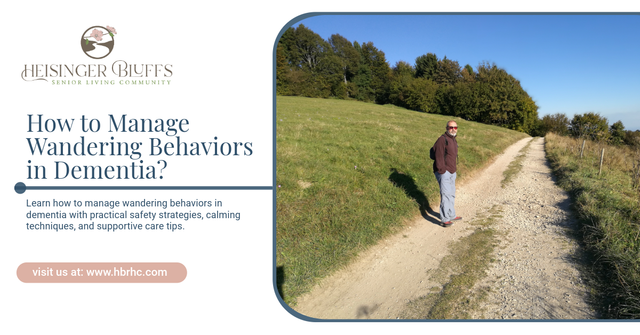
Wandering is common in dementia and can be life-threatening. Confusion about location or time increases wandering risks. The person may leave home and get lost. This behavior puts them in danger of injury or accidents. Close monitoring or supervised care becomes necessary.
Handling Sundowning
Sundowning causes increased confusion and agitation in the evening. It often leads to restlessness and trouble sleeping. This condition stresses both the person and the caregiver. Managing sundowning requires constant attention and calming strategies. Professional care offers safer support during these difficult times.
Benefits Of Professional Care
Choosing professional dementia care offers many benefits that improve life quality for both patients and families. Trained caregivers provide tailored support to meet unique needs. Care services help maintain health and safety as dementia progresses. Social activities keep individuals engaged and reduce feelings of isolation.
Specialized Support
Professional caregivers understand dementia symptoms well. They use techniques to help with memory and daily tasks. This support promotes independence for longer periods. Care plans adjust as needs change. Personalized care helps reduce stress and confusion for patients.
Medical Supervision
Trained staff monitor health closely every day. They notice changes in condition early. Medical supervision ensures timely treatment for infections or injuries. Medication is managed carefully to avoid errors. Regular health checks prevent complications and support well-being.
Social Engagement
Social activities are part of professional care programs. Group events improve mood and mental function. Interaction with others reduces loneliness and boredom. Activities are designed to match cognitive levels. Social engagement supports emotional health and slows decline.
Choosing The Right Care Setting
Choosing the right care setting is crucial for people with dementia. The right environment supports safety, comfort, and well-being. Different care options suit different needs and stages of dementia. Understanding these options helps families make the best decisions.
In-home Care Options
In-home care allows individuals to stay in familiar surroundings. Caregivers assist with daily tasks like bathing, dressing, and medication reminders. This option offers personalized support and helps maintain independence. It works well for early to mid-stage dementia when safety can be managed at home.
Memory Care Facilities
Memory care facilities provide specialized care for people with dementia. Staff are trained to handle memory loss and behavioral changes. These facilities offer secure environments to prevent wandering. They also provide social activities designed for cognitive stimulation. Memory care suits those needing constant supervision or advanced care.
Respite Care Services
Respite care offers temporary relief for family caregivers. It gives them time to rest or handle other responsibilities. Respite can be provided at home or in a facility. This service helps reduce caregiver stress and prevents burnout. It supports both the person with dementia and their family.
Planning For Dementia Progression
Planning for dementia progression is a vital step for families and caregivers. Understanding the changing needs helps prepare for future challenges. Early planning ensures better care quality and peace of mind.
Recognizing the signs of progression allows timely decisions on support and care options. This phase involves constant observation and adapting to new needs. It also means addressing legal and financial matters ahead of time.
Monitoring Symptoms
Track changes in memory, behavior, and daily skills regularly. Note any increase in forgetfulness or confusion. Watch for difficulties in handling money or personal hygiene. Record mood swings, withdrawal, or unusual behaviors. These signs help determine when to seek professional help.
Legal And Financial Preparations
Start organizing important documents early. Prepare powers of attorney for healthcare and finances. Create or update a will to reflect current wishes. Discuss financial plans to cover care costs. Early preparation prevents stress and confusion later.
Caregiver Support
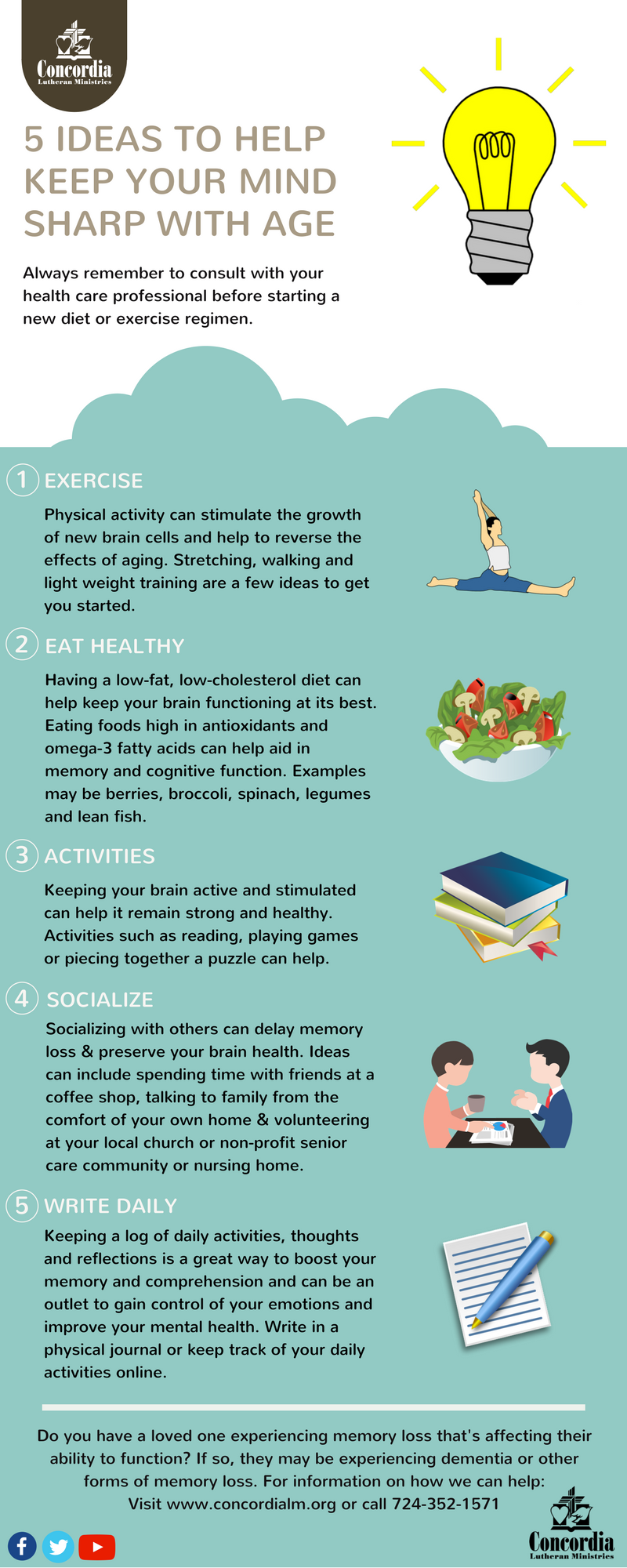
Caregivers need rest and emotional support to provide the best care. Join support groups to share experiences and advice. Learn about respite care options for temporary relief. Seek professional counseling if stress becomes overwhelming. Strong caregiver support improves care for the person with dementia.
Credit: concordialm.org
Frequently Asked Questions
How To Tell What Stage Of Dementia Someone Is In?
Observe memory loss, daily task ability, personality changes, and communication skills to identify dementia stages. Early stage shows mild forgetfulness and independence. Middle stage includes noticeable memory loss and assistance needs. Late stage involves severe memory loss, loss of speech, and full care dependency.
Consult a healthcare professional for accurate staging.
How To Convince Someone To Get Tested For Dementia?
Express concern gently, focusing on health and support benefits. Share facts about early detection improving care options. Offer to accompany them to a doctor for reassurance. Emphasize testing as a proactive, caring step, not a judgment. Stay patient and listen to their feelings.
At What Point Should A Dementia Patient Go Into Care?
A dementia patient should enter care when they struggle with daily tasks, face safety risks, or need constant supervision.
What Do You Do When A Dementia Patient Is Out Of Control?
Stay calm and speak softly to soothe them. Remove triggers and ensure a safe environment. Redirect attention to a simple activity. Seek professional help if behavior worsens or poses danger.
Conclusion
Deciding to seek professional dementia care can feel overwhelming. Watch for signs like safety risks and increased memory loss. When daily tasks become too hard, support is needed. Professional care offers help tailored to the person’s needs. It also gives family members relief and guidance.
Early action can improve quality of life for everyone. Trust your instincts and consult healthcare experts. Caring for someone with dementia is a journey best shared with professionals.