
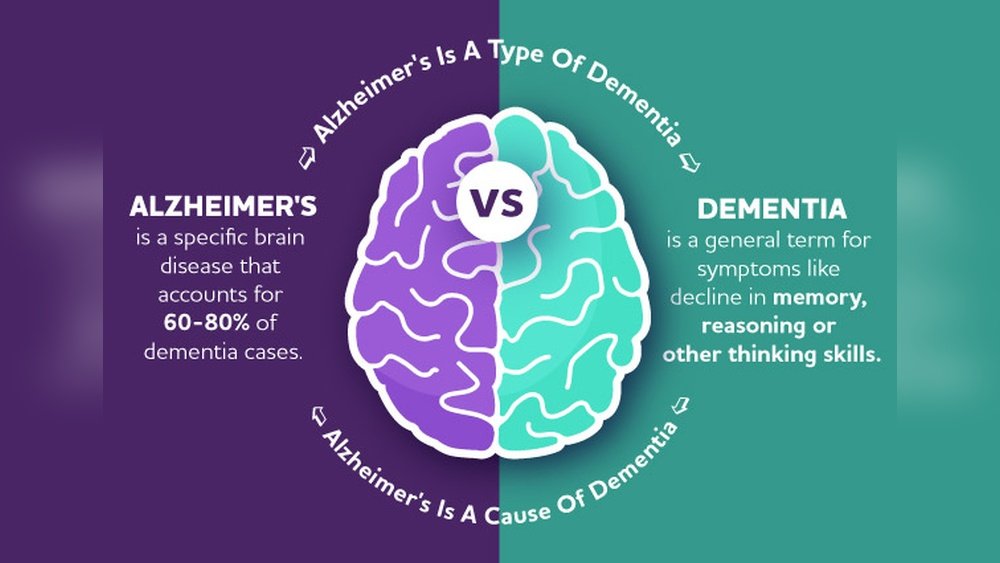
When you hear the words “Alzheimer’s” and “dementia,” you might think they mean the same thing. But they don’t.
Understanding the difference between Alzheimer’s and dementia is important for you or your loved ones, especially if you notice changes in memory or thinking skills. Alzheimer’s is a specific disease that causes dementia, while dementia itself is a broad term for a set of symptoms affecting the brain.
Knowing how to spot the signs and when to seek help can make a big difference in managing these conditions. Keep reading to learn how to tell them apart, what symptoms to watch for, and what steps you can take next.
Dementia And Alzheimer’s Defined
Dementia and Alzheimer’s are terms often heard together. They relate to problems with memory, thinking, and behavior. Many people confuse the two. Clear definitions help to understand their differences. Understanding these terms aids in recognizing symptoms and seeking help early.
Dementia is not a single disease. It describes a set of symptoms affecting the brain. Alzheimer’s is one cause of dementia. Knowing this difference is key for patients and caregivers.
What Dementia Means
Dementia describes a decline in mental ability. It affects memory, thinking, and social skills. These changes impact daily life and independence. Dementia can result from different diseases or brain injuries. Symptoms include memory loss, confusion, and trouble with language. It is a broad term covering many conditions.
Alzheimer’s As A Type Of Dementia
Alzheimer’s disease is the most common dementia type. It causes brain cells to die and shrink. Memory loss is an early symptom of Alzheimer’s. Over time, it affects thinking and behavior more deeply. Alzheimer’s is a progressive condition with no cure yet. It specifically refers to a disease causing dementia symptoms.

Credit: www.agespace.org
Common Symptoms To Watch
Recognizing common symptoms helps distinguish Alzheimer’s from other types of dementia. Both conditions share signs but can show different patterns. Watching for these symptoms early improves care and support.
Memory Loss Patterns
Memory loss is a key symptom. Alzheimer’s causes frequent forgetting of recent events. People may ask the same questions many times. Dementia also includes memory problems but may vary more.
Planning And Problem-solving Issues
Struggling to plan or solve problems is common. Tasks like paying bills or following recipes become hard. This difficulty often grows as Alzheimer’s or dementia progresses.
Confusion With Time And Place
People may lose track of dates or seasons. They might get lost in familiar places. This confusion appears in both Alzheimer’s and dementia but can be more severe in Alzheimer’s.
Visual And Spatial Difficulties
Trouble understanding visual images or judging distances occurs. This can cause problems with driving or walking. Both conditions affect spatial awareness but vary by individual.
Language And Word Problems
Finding the right words becomes challenging. Speaking or writing clearly may decline. People might struggle to follow or join conversations.
Judgment And Decision-making Changes
Poor judgment appears in daily decisions. Handling money or personal care may suffer. These changes can lead to risky or unsafe behaviors.
Social Withdrawal
People often pull away from social activities. They may avoid friends or family. Loss of interest in hobbies is common.
Mood And Personality Shifts
Mood swings and personality changes happen frequently. Someone may become confused, fearful, or anxious. These shifts affect relationships and daily life.
When To Seek Medical Advice
Knowing when to seek medical advice for memory and thinking problems is very important. Early evaluation can help find the cause of symptoms. It also allows for better care and planning. Watch for changes that affect daily life or grow worse over time. Do not wait if you notice signs that interfere with normal activities.
Noticeable Cognitive Decline
Significant memory loss or confusion is a key sign. Forgetting important dates or events often is a concern. Repeating questions or stories shows the brain is struggling. Problems with attention and focus may also appear. These changes should not be ignored or blamed on normal aging.
Symptoms Progressing Over Months
Symptoms that get worse within months need medical attention. Slow, steady decline in thinking skills is not normal. Difficulty with problem-solving, language, or orientation can grow. Changes in mood or behavior may increase. A doctor can assess and find the cause before it worsens.
Struggles With Daily Tasks
Having trouble completing everyday tasks is a warning sign. Difficulty managing money, cooking, or cleaning can appear. Forgetting steps in familiar routines shows brain decline. Needing help with dressing or bathing is serious. Seek medical advice to understand the problem and get support.
Credit: shine365.marshfieldclinic.org
Diagnostic Procedures
Diagnosing Alzheimer’s and dementia requires a detailed process. Doctors use various tests and exams to understand symptoms clearly. This helps distinguish between Alzheimer’s, a specific disease, and dementia, a group of symptoms. Accurate diagnosis guides proper treatment and care planning.
Cognitive Testing And Medical History
Cognitive tests measure memory, thinking, and problem-solving skills. Doctors ask about daily habits and changes in behavior. Family medical history is important to identify inherited risks. These tests help spot early signs and track progression.
Physical And Neurological Exams
Doctors perform physical exams to check overall health. Neurological exams assess reflexes, coordination, and muscle strength. These tests detect brain or nerve problems causing symptoms. They rule out other conditions that mimic dementia or Alzheimer’s.
Blood Work For Other Causes
Blood tests check for infections, vitamin deficiencies, and thyroid issues. These problems can cause memory loss and confusion. Identifying treatable causes helps avoid misdiagnosis. Blood work supports a more complete understanding of symptoms.
Brain Imaging Techniques
Imaging tests like MRI and CT scans show brain structure. They detect strokes, tumors, or brain shrinkage linked to Alzheimer’s. PET scans reveal abnormal protein buildup in the brain. These images help confirm diagnosis and rule out other issues.
Cerebrospinal Fluid Analysis
This test examines fluid around the brain and spine. It detects biomarkers linked to Alzheimer’s disease. Doctors use a small needle to collect fluid from the lower back. Results add important information to support diagnosis.
Key Differences Between Dementia And Alzheimer’s
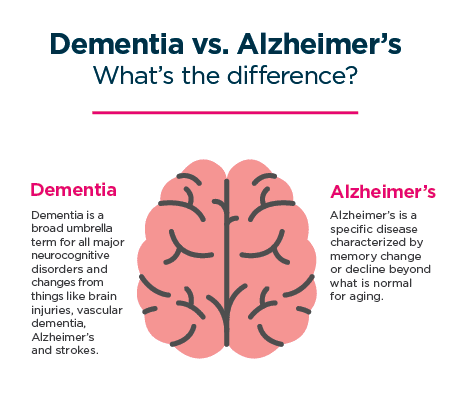
Understanding the key differences between dementia and Alzheimer’s helps clarify many common confusions. Dementia is a broad term that covers various symptoms affecting memory, thinking, and social abilities. Alzheimer’s disease is the most common cause of dementia, but it is a specific illness with distinct features. Recognizing these differences improves awareness and guides better care.
Symptom Groups Vs. Specific Disease
Dementia describes a group of symptoms like memory loss and confusion. It can result from many diseases, including Alzheimer’s, vascular dementia, and Lewy body dementia. Alzheimer’s disease is a single condition that causes brain cells to die slowly. Its symptoms start with memory problems and worsen over time. Dementia symptoms vary depending on the cause and affected brain areas.
Diagnosis Challenges
Diagnosing dementia or Alzheimer’s requires thorough medical evaluation. Doctors assess memory, thinking skills, and daily function. Tests include physical exams, medical history, and brain scans. Alzheimer’s diagnosis is confirmed by specific patterns in tests and symptoms. Other types of dementia may show different signs and progress differently. Early diagnosis is difficult but important for care planning.
Treatment Approaches
Treatment for dementia depends on its cause. Alzheimer’s treatments focus on slowing symptom progression and improving quality of life. Medications may help memory and mood but cannot cure the disease. Other dementia types may respond to different treatments, such as controlling blood pressure. Supportive care and lifestyle changes benefit all dementia patients. Caregiver education and community support are also vital.

Credit: wisechoiceihc.com.au
Frequently Asked Questions
How Can You Tell If It’s Dementia Or Alzheimer’s?
Dementia is a broad term for memory and thinking problems. Alzheimer’s is a specific disease causing dementia symptoms. Doctors diagnose through cognitive tests, medical history, physical exams, blood tests, and brain scans to distinguish between them.
Does Dementia Turn Into Alzheimer’s?
Dementia does not turn into Alzheimer’s. Alzheimer’s disease is a specific cause of dementia, which is a broader term for cognitive decline.
Which Is Faster, Dementia Or Alzheimer’s?
Alzheimer’s disease generally progresses faster than other types of dementia. Dementia is a broad term, while Alzheimer’s is a specific, often quicker-developing illness.
What Not To Do With Someone With Alzheimer’s?
Avoid arguing, correcting, or confronting someone with Alzheimer’s. Do not rush or overwhelm them. Never ignore their feelings or isolate them. Avoid using complex language or demanding tasks they can’t do. Stay calm, patient, and supportive to maintain their dignity and comfort.
Conclusion
Understanding the key difference helps in seeking the right care. Dementia describes symptoms like memory loss and confusion. Alzheimer’s disease is one cause of these symptoms. Early medical checkups can provide a clear diagnosis. Knowing the signs helps families support loved ones better.
Treatment and care plans differ by diagnosis. Stay informed and watch for changes in behavior. This knowledge guides better choices for health and well-being.