
Alzheimer’s disease is a journey that affects not only memory but your entire way of living. Understanding its stages can help you recognize what to expect, plan for the future, and provide the right care for your loved ones—or even yourself.
Each stage brings different challenges, from subtle forgetfulness to serious physical decline. By knowing the signs and symptoms of each phase, you can stay one step ahead and make informed decisions that improve quality of life. Keep reading to discover the key stages of Alzheimer’s disease and how they impact daily life—because understanding is the first step toward compassion and support.
Credit: altoida.com
Early Stage Symptoms
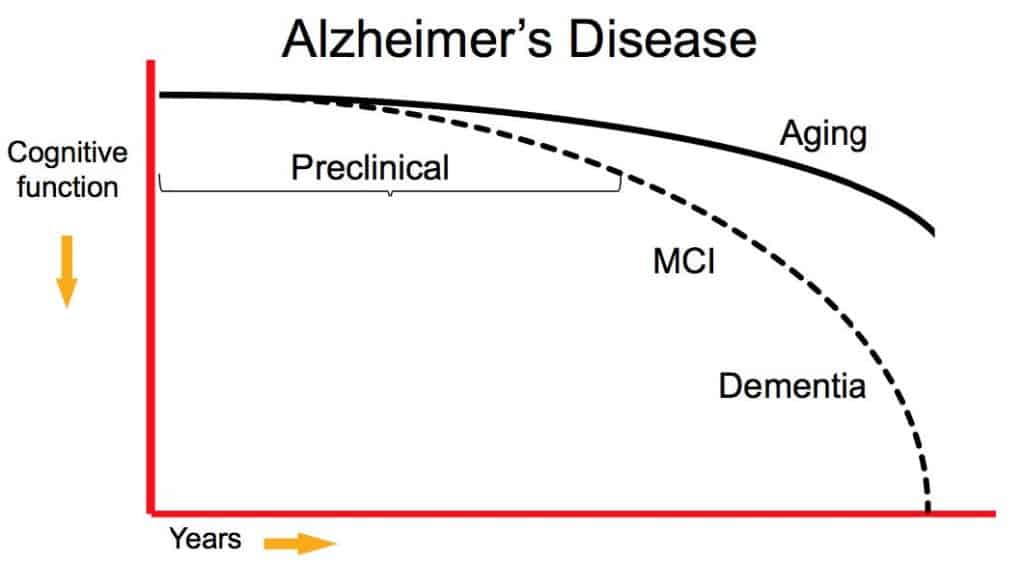
The early stage of Alzheimer’s disease often begins with subtle changes. These changes may go unnoticed or be mistaken for normal aging. Recognizing early symptoms helps in seeking timely medical advice. It also allows families to prepare and adjust to new challenges.
Memory Loss Signs
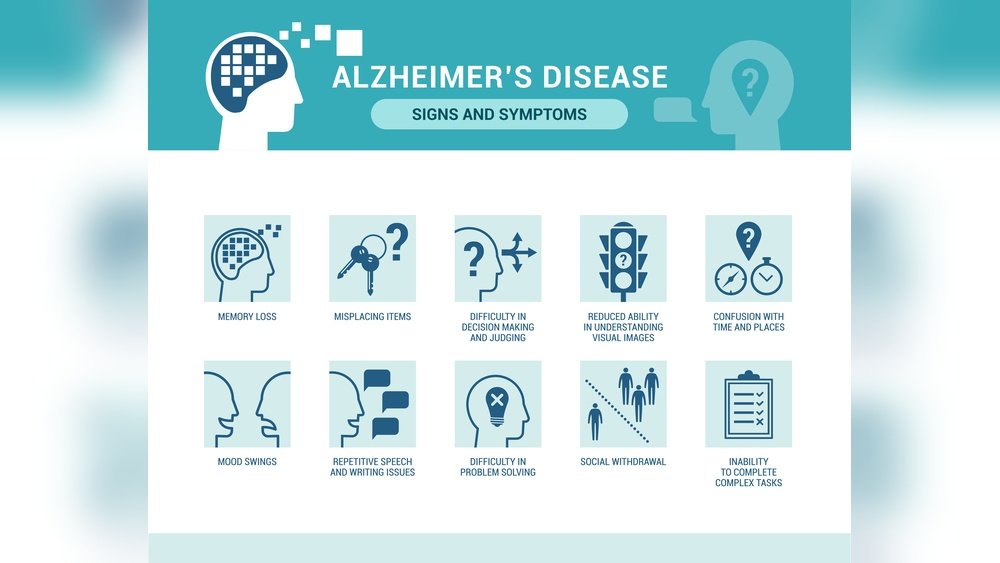
Memory loss is the most common early symptom. People may forget recent events or important dates. They might ask the same questions repeatedly. Misplacing items and struggling to find the right words also happen. These memory problems interfere with daily tasks but do not stop independence yet.
Mood And Behavior Changes
Changes in mood and personality often occur early. Individuals may feel confused or anxious without clear reasons. They can become easily upset or withdrawn from social activities. Some show signs of depression or irritability. These shifts affect relationships and how they handle stress.
Daily Life Challenges
Simple daily tasks become harder over time. Managing finances, cooking, or following a plan may cause problems. People might struggle to focus or make decisions. They sometimes lose track of time or get lost in familiar places. Despite these challenges, they can still perform many activities independently.
Middle Stage Changes
The middle stage of Alzheimer’s disease marks a significant change in daily life. Symptoms become more obvious and challenging. Family and caregivers often notice new difficulties. Understanding these changes helps provide better support.
Increased Memory Problems
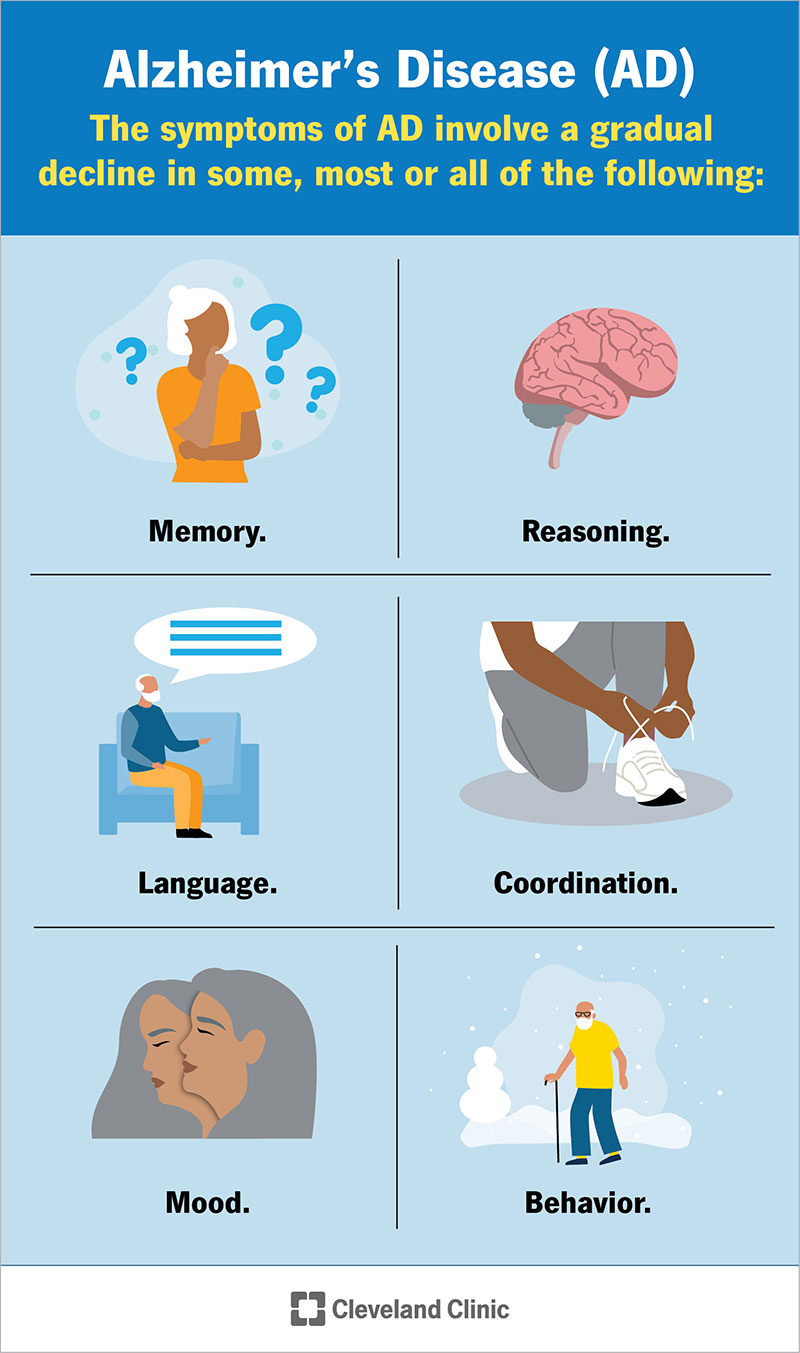
Memory loss gets worse in the middle stage. The person may forget recent events or important dates. They might repeat questions or stories often. This can cause frustration for both the individual and their loved ones.
Confusion And Disorientation
Confusion is common during this stage. The person may get lost in familiar places. They may not recognize people they know well. Time and date awareness often becomes unclear. Safety concerns increase due to this disorientation.
Communication Difficulties
Speaking and understanding become harder. The person may struggle to find the right words. Conversations may be shorter or less clear. They might lose interest in social activities. Patience is important when communicating.
Need For Assistance
Help with daily tasks becomes necessary. Dressing, grooming, and cooking may require support. Supervision is needed to prevent accidents. Caregivers play a crucial role at this stage. Planning for care needs is important.
Late Stage Effects
The late stage of Alzheimer’s disease marks the most severe decline. At this point, the person loses many essential abilities. Care needs increase dramatically. Family and caregivers face many challenges. Understanding these late stage effects can help prepare and provide better support for loved ones.
Loss Of Physical Functions
Physical abilities fade away in the late stage. Walking becomes impossible for most. The person may become bedridden. Muscle control weakens, causing difficulty in sitting or holding objects. Swallowing becomes a struggle. This increases the risk of choking and pneumonia. The body grows weaker every day.
Incontinence And Hygiene Needs
Loss of bladder and bowel control is common. Incontinence occurs frequently, requiring constant care. Hygiene needs become critical to prevent infections. Bathing, dressing, and grooming require full assistance. Skin care is vital to avoid sores. Caregivers must be patient and gentle at all times.
Severe Cognitive Decline
Thinking and memory skills are nearly gone. The person may not recognize family or surroundings. Communication becomes very limited or stops completely. They may not respond to questions or commands. Awareness of time and place disappears. This stage demands full-time supervision and emotional support.

Credit: hcan.com
Final Stage Indicators
The final stage of Alzheimer’s disease marks a profound decline in both body and mind. At this point, the person loses most abilities and needs full-time care. Recognizing the signs helps families and caregivers provide better support and comfort.
Extreme Weakness And Immobility
In this stage, muscles become very weak. Moving or sitting up is often impossible without help. Most individuals remain in bed and cannot walk or stand. This immobility increases the risk of bedsores and infections. Care focuses on comfort and preventing complications.
Breathing And Swallowing Issues
Breathing may become irregular or shallow. Swallowing difficulties are common, causing choking or coughing. Eating and drinking become challenging, often leading to weight loss and dehydration. Caregivers must carefully manage feeding and monitor for respiratory problems.
Changes In Responsiveness
People may become unresponsive or only react slightly to sounds and touch. Awareness of surroundings decreases greatly. They may sleep most of the time and show little or no interest in interaction. This reduced responsiveness signals serious brain function decline.
Signs Of Approaching Death
Cold hands and feet, pale skin, and weak pulse often appear. Breathing patterns can change, including long pauses or rapid breaths. Loss of bladder and bowel control is common. These signs indicate the body is shutting down and death is near.
Common Causes Of Death
Alzheimer’s disease leads to severe health challenges. Many people with Alzheimer’s face life-threatening risks. Understanding common causes of death helps caregivers prepare and respond properly. The final stage brings serious complications that often cause death.
Pneumonia Risks
Pneumonia is the leading cause of death in Alzheimer’s patients. Difficulty swallowing causes food or liquids to enter the lungs. This condition is called aspiration pneumonia. Weak cough reflex makes clearing the lungs harder. Immobility and poor nutrition increase pneumonia risk. Preventing pneumonia is crucial for improving quality of life.
Infections And Complications
Infections can develop quickly in people with Alzheimer’s. Urinary tract infections and bedsores are common problems. These infections may lead to sepsis, a dangerous body-wide reaction. Immobility and weakened immune systems worsen the risk. Complications from infections cause many hospitalizations and deaths in late-stage Alzheimer’s.
Individual Progression Variations
Alzheimer’s disease does not progress the same way for everyone. Each person’s journey through the stages can differ greatly. This variation depends on many elements. Understanding these differences helps caregivers and families provide better support.
Factors Affecting Speed
The speed of Alzheimer’s progression changes from person to person. Age plays a key role. Younger people may experience slower decline. Health conditions like diabetes or heart disease can speed up symptoms. Genetics also influence how fast the disease advances. Lifestyle habits, such as diet and exercise, impact brain health. Mental stimulation and social activity may slow progression. Medication and early diagnosis can also affect the timeline.
Personalized Care Needs
Because progression varies, care must be tailored to each individual. Some may need help only with memory tasks at first. Others require full assistance with daily living sooner. Care plans should adjust as needs change. Emotional support is crucial throughout all stages. Monitoring health regularly helps spot new challenges. Personalized care improves quality of life and comfort for patients.
Care Strategies By Stage
Alzheimer’s disease changes over time. Care must change with it. Tailoring care strategies to each stage improves quality of life. Understanding these strategies helps caregivers support loved ones effectively.
Supporting Independence Early On
During the early stage, memory loss is mild. Encourage routines that promote independence. Use simple reminders and notes. Allow the person to do tasks alone but offer help if needed. Keep communication clear and patient. Support hobbies and social activities to maintain confidence.
Managing Middle Stage Challenges
Memory loss and confusion increase in this stage. Safety becomes a priority. Remove hazards in the home and label important items. Help with daily activities like dressing and eating. Be calm during moments of frustration or anger. Use simple words and short sentences. Offer choices to keep some control.
Providing Comfort In Late Stages
The late stage means full dependence on caregivers. Focus on comfort and dignity. Help with all personal care needs, including bathing and feeding. Monitor health closely to prevent infections. Use gentle touch and soothing voices. Create a quiet environment to reduce stress. Support emotional needs with patience and kindness.
Credit: my.clevelandclinic.org
Frequently Asked Questions
How Long Does Stage 6 Alzheimer’s Last?
Stage 6 Alzheimer’s typically lasts from 1. 5 to 3 years. During this stage, individuals need full-time care due to severe memory loss and physical decline. Symptoms include confusion, difficulty recognizing loved ones, and loss of independence in daily activities.
Progress varies by person.
What Are The Final Stages Of Alzheimer’s Before Death?
The final Alzheimer’s stage causes total physical and mental decline. Patients lose speech, mobility, and control of bodily functions. They become unresponsive, sleep excessively, stop eating, and face breathing changes. Pneumonia often causes death due to swallowing difficulties and airway protection loss.
What Stage Is Sleeping A Lot In Dementia?
Sleeping a lot typically occurs in the late stage of dementia. During this stage, individuals become less responsive and spend most time sleeping.
Can You Slow Down Dementia If Caught Early?
Early detection of dementia allows treatments and lifestyle changes that can slow its progression. Regular medical care supports brain health.
Conclusion
Understanding the stages of Alzheimer’s helps in recognizing symptoms early. Each stage brings different challenges for patients and caregivers. Knowing what to expect can improve care and support. Alzheimer’s progresses slowly but steadily over time. Early detection allows for better planning and treatment options.
Caregivers play a key role in managing daily needs. Patience and compassion remain essential throughout the journey. Alzheimer’s affects both mind and body deeply. Staying informed helps families prepare emotionally and practically. Awareness is the first step toward better care and understanding.